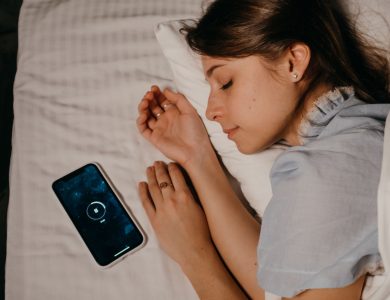
Why Your SSRI Might Be Keeping You Awake at 3 a.m.
You wake up at 3 a.m. with your mind buzzing, and here’s the cruel irony: the medication you’re taking to feel better is chemically rewiring your brain’s sleep switch. SSRIs work by increasing serotonin availability, but serotonin doesn’t only regulate mood—it’s also a powerful suppressor of REM sleep, the dream-rich stage critical for emotional processing and memory consolidation. When serotonin floods the brainstem, it can delay sleep onset, fragment your sleep architecture, and slash total REM time by up to 85%, according to research from the American Academy of Sleep Medicine. You’re not imagining the restlessness; your brain is being held in a lighter, more easily disrupted sleep state.
Then there’s the phenomenon clinicians call paradoxical activation. Instead of feeling calmer, a subset of patients—roughly 10–15%—experience a jittery, wired sensation within hours of taking their dose, as if they’ve had too much caffeine. This isn’t a sign the medication is failing or that you’re “doing treatment wrong.” It’s a known, idiosyncratic reaction tied to individual differences in serotonin receptor sensitivity, particularly at the 5-HT2A and 5-HT2C sites. For some, this activation feels indistinguishable from anxiety itself, which can be deeply disorienting when you started treatment hoping for relief.
Timing matters enormously here. Startup insomnia—trouble falling or staying asleep during the first two to four weeks—is common and often transient as your brain adapts to the new serotonergic environment. Persistent medication-induced sleep disruption, however, is different. If you’re still staring at the ceiling months in, the drug’s activating profile may simply be incompatible with your neurochemistry. Neither scenario means you have to choose between mental health and basic rest. It means the current approach needs adjustment, and understanding the mechanism is your first piece of leverage for that conversation with your prescriber.
Sedating vs. Activating SSRIs: Which One Are You Actually Taking?
Not all SSRIs meet your brain the same way at bedtime. Some are more likely to wire you awake, while others carry a calming nudge that can help you fall asleep—if you time the dose right. Knowing where your medication lands on that spectrum is the first step toward advocating for a schedule (or a switch) that doesn’t leave you staring at the ceiling.
Think of SSRIs along a continuum from most sedating to most activating:
- Most sedating: Paroxetine (Paxil) and fluvoxamine (Luvox) sit at the calming end. Paroxetine, in particular, has a mild antihistamine effect—it blocks histamine receptors, similar to what older allergy meds do, which explains the drowsiness some people feel. Fluvoxamine tends to be sedating partly through its influence on melatonin regulation.
- Moderate middle: Escitalopram (Lexapro) and citalopram (Celexa) are the most serotonin-selective of the group. They don’t significantly hit histamine or norepinephrine receptors, so they’re generally considered neutral—neither strongly sedating nor activating for most people.
- Most activating: Fluoxetine (Prozac) and sertraline (Zoloft) land on the energizing side. Fluoxetine has downstream effects on dopamine and norepinephrine in certain brain regions, which can feel stimulating. Sertraline’s mild dopamine transporter inhibition can produce a similar lift—great for daytime motivation, less welcome at 2 a.m.
A crucial caveat: individual wiring matters enormously. A “sedating” SSRI can still trigger insomnia in some people, and a supposedly activating one might knock you out. According to the FDA’s prescribing data, insomnia is reported as a side effect across the entire SSRI class—even for paroxetine, which is the most histamine-heavy of the group.
Half-life adds another layer. Fluoxetine hangs around for days, so a missed dose rarely causes immediate withdrawal. But shorter-half-life drugs like paroxetine or fluvoxamine clear your system faster. If you take them in the morning, you might experience subtle withdrawal-related sleep disruption by the early morning hours—fragmented sleep, early waking, or a jolt of anxiety before your alarm. That’s not the medication working against you; it’s your body noticing the drop. Sometimes shifting the dose to evening resolves it. Sometimes it’s a sign this particular SSRI isn’t your match.
Is This Temporary? The Timeline of SSRI-Related Sleep Disruption
Lying awake at 3 a.m. after starting a new medication, the question that loops louder than any other is: Is this my life now? For most people, the answer is no—but the timeline matters more than the reassurance.
SSRI-related sleep disruption typically follows a predictable arc. Insomnia often peaks during the first one to two weeks of treatment, driven by the brain’s initial adjustment to increased serotonin levels. What you’re experiencing is a temporary overactivation of serotonin receptors—particularly the 5-HT2A subtype—before they begin to downregulate in response to the medication. According to the Cleveland Clinic, most SSRI side effects, including sleep disturbance, begin improving within two to four weeks as this neuroadaptation takes hold.
“Improvement,” however, doesn’t always mean a full return to your pre-medication sleep. You may notice it takes less time to fall asleep than it did during week one, but some effects—like REM sleep suppression and more fragmented sleep architecture—can persist throughout treatment. For roughly 15–20% of patients, sleep never fully normalizes on a given SSRI, and that’s not a failure on your part. It’s clinically useful information.
Here’s the decision rule worth following: if your insomnia is severe enough that it’s interfering with daytime functioning and hasn’t shown meaningful improvement by the two- to three-week mark, pick up the phone. You’re not being impatient. You’re providing your prescriber with data they need to adjust course—whether that means switching to a more sedating agent, adding a short-term sleep aid, or shifting your dose timing. Enduring weeks of sleeplessness in the hope things will magically turn around isn’t grit; it’s a recipe for undermining the mental health recovery you started treatment to achieve.
How to Adjust Your SSRI Timing to Protect Your Sleep
If your SSRI is working for your mood but wrecking your sleep, the most immediate change you can make—often starting tonight—doesn’t involve a new prescription. It involves your alarm clock. The logic is straightforward: you want the drug’s peak concentration in your bloodstream to align with the time of day its side effects are most compatible. Activating antidepressants belong in the morning, where their stimulating effect can feel like a cup of coffee rather than a 2 a.m. jolt. Sedating ones belong at bedtime, where drowsiness becomes a feature, not a daytime liability.
Here’s the practical breakdown for the most commonly prescribed SSRIs:
- Sertraline (Zoloft) and fluoxetine (Prozac): These are the classic activating offenders. If you’re currently taking them at night, shift the dose to early morning—ideally within 30 minutes of waking. Fluoxetine’s long half-life means its stimulating metabolites can linger for days, so this switch can take longer to feel the full benefit, but morning dosing is the standard starting point.
- Paroxetine (Paxil): The exception among SSRIs. Paroxetine has mild anticholinergic properties that make it the most inherently sedating option in this class, which is why clinicians often prescribe it specifically for patients with co-occurring anxiety and insomnia. This one moves to bedtime.
- Escitalopram (Lexapro) and citalopram (Celexa): These land somewhere in the middle. Most people tolerate them in the morning, but if you notice afternoon fatigue, a switch to evening is reasonable. Start with morning dosing and adjust based on how your body responds.
One timing shift won’t tell you much. You need to hold the new schedule for at least 5 to 7 days before evaluating whether your sleep has improved. Your brain’s sleep-wake regulation doesn’t recalibrate overnight, and SSRIs alter neurotransmitter levels gradually. Judging too soon leads to unnecessary second-guessing.
Safety note: Never split a dose to “soften” the effect, and don’t flip your timing back and forth day to day. Erratic dosing with shorter-half-life SSRIs like paroxetine can trigger withdrawal symptoms, including brain zaps and rebound anxiety. Always inform your prescriber about the change—even if it seems minor. What you’re describing gives them essential data about how your body metabolizes the medication, and that information often shapes the next clinical decision far more than a symptom checklist ever could.
When to Ask Your Doctor About Augmentation Strategies
Lying awake at 3 a.m. while your mood finally stabilizes is a cruel trade-off—and you don’t have to accept it. Augmentation isn’t admitting defeat; it’s the opposite. It’s recognizing that your brain chemistry is nuanced enough to need a second, targeted tool, and psychiatry has several well-studied ones that preserve your antidepressant’s benefits while restoring sleep.
The most common add-on is low-dose trazodone (25–50 mg at bedtime). Originally developed as an antidepressant, trazodone at these micro-doses is far below what’s needed for mood effects and instead acts as a potent sedative by blocking histamine and certain serotonin receptors. It’s non-habit-forming, has decades of clinical use behind it, and doesn’t carry the dependence risks that make sleep specialists wary. For many people on activating SSRIs, it’s the difference between white-knuckling through insomnia and sleeping.
If you need something that pulls double duty—helping sleep and potentially boosting your antidepressant response—mirtazapine (7.5–15 mg) is worth discussing. At these low doses, it’s strongly sedating due to histamine blockade. At higher doses (30–45 mg), it becomes more activating but adds noradrenergic antidepressant action, which is why some prescribers use it as a synergistic partner to an SSRI rather than a standalone.
For a gentler approach, melatonin (typically 0.5–5 mg) and the prescription chronobiotic ramelteon work on your sleep-wake clock without touching serotonin pathways at all. They’re not sedatives in the traditional sense—they signal to your brain that it’s time to sleep, which can be especially helpful if your SSRI has shifted your circadian rhythm later.
What you generally shouldn’t reach for as a long-term fix: benzodiazepines and Z-drugs (zolpidem, eszopiclone). According to the American Academy of Sleep Medicine, tolerance develops quickly, and the dependence risk makes them poor candidates for ongoing SSRI-related insomnia. They’re a bridge at best, not a destination.
Frame the conversation with your prescriber as precision medicine, not a complaint. “The antidepressant is working for my mood, but my sleep is still broken—can we talk about augmentation?” is a question good clinicians respect, because it tells them you’re engaged in getting the treatment right, not just getting by.
What Experts Recommend: Combining SSRIs with CBT-I for Long-Term Sleep Health
Here’s something your prescriber may not have mentioned in your last 15-minute med check: the gold-standard treatment for chronic insomnia isn’t a pill. According to the American Academy of Sleep Medicine, Cognitive Behavioral Therapy for Insomnia (CBT-I) is the recommended first-line intervention—and it’s especially useful when an SSRI has thrown your sleep off course.
SSRIs don’t only alter brain chemistry; they can create a behavioral trap. You take your medication, you start struggling to fall asleep or stay asleep, and after a few weeks of lying in bed staring at the ceiling, your brain quietly learns a terrible lesson: bed equals frustration. That’s conditioned insomnia, and it can persist long after the initial medication side effect fades. CBT-I directly unwinds that wiring.
The core components are surprisingly practical. Stimulus control retrains your brain to associate bed only with sleep—which means getting up and leaving the room if you’ve been awake for 20 minutes instead of white-knuckling it until dawn. Sleep restriction temporarily limits your time in bed to match the sleep you’re getting, rebuilding sleep drive rather than letting you lie there for nine fragmented hours. And cognitive reframing tackles the 3 a.m. thought spiral of “I’ll never sleep again and tomorrow will be ruined,” which itself fuels wakefulness.
If finding an in-person CBT-I specialist feels like one more exhausting task, digital programs offer a legitimate shortcut. FDA-authorized platforms like Somryst and evidence-backed options like Sleepio deliver structured CBT-I through your phone or computer, often for a fraction of the cost of traditional therapy. This isn’t about choosing between your SSRI and better sleep. It’s about pairing the medication that helps your mood with a behavioral toolkit that protects your rest—so you’re not simply medicating one problem while accidentally deepening another.
Alternatives to SSRIs: Sedating Antidepressants That May Improve Sleep
If your SSRI has you staring at the ceiling night after night, you’re not stuck with a cruel choice between your mood and your sleep. Several non-SSRI antidepressants are designed to improve sleep while treating depression—and for some people, switching to one of these medications is the most logical next step, not a failure of the first-line approach.
Mirtazapine (Remeron) is the heavyweight sedating antidepressant. At low doses (7.5–15 mg), it acts as a potent antihistamine, triggering sleep onset quickly and reliably. Unlike older sedating drugs, it tends to preserve sleep architecture rather than suppress deep sleep. The Cleveland Clinic notes that mirtazapine’s dual action on noradrenaline and serotonin at higher doses (30–45 mg) makes it a full-spectrum antidepressant, though the sedation effect can diminish as the dose climbs.
Trazodone occupies an unusual niche. It’s technically an SARI antidepressant effective for depression at 150–300 mg, but it’s far more commonly prescribed at 25–100 mg as a sleep aid—often alongside an SSRI rather than as a replacement. If your primary complaint is SSRI-induced insomnia and your mood is otherwise responding, adding low-dose trazodone may resolve the sleep problem without abandoning your current antidepressant.
Agomelatine takes a completely different route. Instead of blunting histamine receptors, it targets melatonin receptors directly, helping reset a disrupted circadian rhythm without the morning hangover that plagues other sedating options. Availability is limited—it’s approved in Europe and Australia but not currently in the U.S.—so this is a conversation to have with your doctor if you live outside the States or are exploring international options.
Tricyclic antidepressants like amitriptyline and doxepin (at 3–6 mg, branded as Silenor) remain effective for combined depression and insomnia. The trade-off is real: they carry a higher side-effect burden, including next-day grogginess, dry mouth, and cardiac risks at higher doses. For someone with severe, treatment-resistant insomnia alongside depression, however, they can be transformative when newer options haven’t worked.
Red Flags: When SSRI-Related Insomnia Signals Something More Serious
Most SSRI-related insomnia is frustrating but manageable. However, there are times when sleeplessness is not a side effect—it’s a warning sign of a dangerous physiological or psychiatric shift that demands immediate action, not a wait-and-see approach.
Serotonin Syndrome: When Insomnia Is a Medical Emergency
If your inability to sleep is accompanied by a cluster of specific physical symptoms, you may be developing serotonin syndrome, a potentially life-threatening condition caused by excessive serotonin activity. According to the FDA, warning signs include agitation, confusion, a rapid heart rate, dilated pupils, muscle rigidity or twitching, and—critically—a high fever. Insomnia is often the earliest symptom, but it quickly escalates. This is not something you can sleep off. Serotonin syndrome can progress to seizures and organ failure if untreated.
Action: If you have insomnia plus fever, rigidity, or confusion, stop the medication and go to the emergency room immediately. Do not call for an appointment. Go to the ER.
Hypomania or Mania: The “No Need for Sleep” Red Flag
There’s a clinical difference between wanting to sleep and not needing to sleep. An SSRI can unmask underlying bipolar disorder in vulnerable individuals, triggering a hypomanic or manic episode. The hallmark isn’t poor sleep—it’s a dramatically reduced need for sleep, often paired with racing thoughts, pressured speech, impulsive spending or sexual behavior, and an uncharacteristic euphoria or irritability. You might feel oddly productive and “cured” after days of barely resting. This is a crisis, not a breakthrough.
Action: If you’ve slept fewer than three hours for multiple nights and feel energized rather than exhausted, contact your prescriber within 24 hours. Do not stop the medication abruptly without guidance, as this requires a coordinated shift in treatment strategy.
Severe Clinical Deterioration
Insomnia that arrives alongside new or intensifying suicidal thoughts—especially during the first few weeks of treatment or after a dose change—requires immediate intervention. This combination signals that the medication is destabilizing your mood in a way that no coping strategy can safely address on its own.
Action: If you are experiencing thoughts of harming yourself, call or text the 988 Suicide & Crisis Lifeline at 988, or text HOME to 741741 to reach a trained crisis counselor. Then notify your prescriber. If you have a plan or intent, go to the nearest emergency room or call 911.
How to Talk to Your Prescriber About Sleep Without Sounding Like You’re Complaining
Walking into an appointment and saying “I can’t sleep” can feel vague, but walking in with data changes the dynamic entirely. Clinicians are trained to respond to patterns, not impressions. For five days before your visit, jot down four things on a notepad or your phone: what time you went to bed, roughly when you fell asleep, how many times you woke up, and a single-word quality rating like “restless” or “broken.” According to the American Academy of Sleep Medicine, even a simple sleep diary gives your prescriber objective information that a general complaint cannot—and it signals that you’re a collaborative partner in your care, not someone simply venting.
When you sit down, lead with a clear, neutral statement that connects the medication to the sleep disruption without blame. Something like: “I’ve been taking 50 mg of sertraline at 8 a.m. for three weeks. I’m falling asleep around 11 p.m. but waking up at 3 a.m. and can’t get back to sleep. This is affecting my focus at work, and I’m worried the exhaustion is going to undermine the progress I’m making with my mood.” That last sentence is critical—it reframes sleep not as a side complaint but as a core metric of your depression recovery. You’re telling your prescriber that you want the medication to succeed, and you need their help removing a barrier to that success.
If you’re tempted to stop the medication before the appointment, don’t. Abrupt SSRI discontinuation can trigger a withdrawal syndrome that includes dizziness, nausea, and a rebound of anxiety or insomnia that muddies the clinical picture and makes the next steps harder to identify. Instead, say: “I’m committed to finding a solution, but I need us to address the sleep piece directly—whether that’s a timing shift, a dose adjustment, or a different medication.” Advocating for your rest isn’t complaining. Sleep is a vital sign of mental health, and any prescriber worth their license knows it.
What to Do Tonight If You’re Lying Awake and Can’t Sleep
You’re awake at 3 a.m., staring at the ceiling, and the frustration is building by the minute. Here’s what helps right now—not tomorrow, not after your next doctor’s appointment.
The 20-Minute Rule
If you’ve been lying in bed awake for what feels like 20 minutes, get up. Staying there trains your brain to associate bed with frustration and alertness—the exact opposite of what you want. Move to a different room, keep the lights dim, and do something deeply boring. Fold laundry. Read a dry instruction manual. Listen to a slow audiobook. Return to bed only when you feel genuinely sleepy, not exhausted.
Brain Dump Everything
Grab a notebook and write down every racing thought without filtering or organizing. The medication worry, the work deadline, the thing you forgot to say in that conversation—put it all on paper. Then close the notebook. The act of externalizing worry reduces cognitive arousal by signaling to your brain that the information is stored and doesn’t need to be mentally rehearsed.
Breathe Like Your Nervous System Depends on It
The 4-7-8 technique is a fast-acting arousal-reduction tool: inhale quietly through your nose for 4 seconds, hold for 7, exhale completely through your mouth for 8. Repeat four times. It forces a parasympathetic shift that can interrupt the adrenaline spiral of medication-related insomnia. A body scan works similarly—start at your toes and slowly move attention upward, noticing sensation without trying to change anything.
The Traps to Avoid
No phone scrolling. Blue light suppresses melatonin, and anxiety-provoking content—even “helpful” sleep articles—keeps your brain in problem-solving mode. No clock-watching; checking the time triggers a cortisol spike that resets the wakefulness cycle. And absolutely no lying there trying to solve your sleep problem. That’s problem-solving, not resting, and your prefrontal cortex can’t do both.
Tonight may be hard, but this is solvable. According to the American Academy of Sleep Medicine, cognitive and behavioral strategies like these are first-line interventions precisely because they work. You’ve already taken the first step by seeking answers instead of suffering in silence. The evidence-based paths ahead—timing adjustments, medication switches, augmentation strategies—are real, and they’re waiting for the morning.