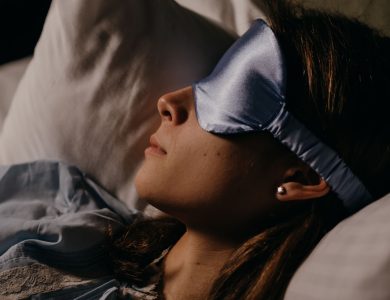
The Exhaustion You Can’t Outrun
If you can’t remember the last time you woke up restored, and a partner has started mentioning your snoring—or worse, moments when you stop breathing—it’s time to stop blaming your schedule. That observation isn’t noise. It’s a clinical clue. A Garden City sleep center visit isn’t about signing up for a lifetime of equipment. It’s about getting an objective read on what’s stealing your rest, whether the answer is a positional adjustment, an oral appliance, or a CPAP. You’re gathering data to wake up as yourself again.
Credentials That Separate Diagnosis from Guesswork
You need proof that the people interpreting your brainwaves and breathing patterns know what they’re doing. The single most important credential for a physician overseeing your care is board certification in sleep medicine—a fellowship and rigorous exams administered by a member board of the American Board of Medical Specialties (ABMS). The designation “Fellow of the American Academy of Sleep Medicine” (FAASM) signals ongoing commitment. If a neurologist or pulmonologist reads your study without this sub-specialty certification, you’re not getting the same depth of expertise.
Equally critical is facility accreditation from the American Academy of Sleep Medicine (AASM). Accredited centers meet strict standards for testing procedures, technician training, and physician oversight. It’s also a hard requirement for most major insurers. If the center isn’t AASM-accredited, your carrier may classify the study as “experimental” and deny the claim, leaving you with a bill that can range from $3,000–$6,000 for an in-lab polysomnogram. Verify both in under three minutes: check a doctor’s certification through the ABMS Certification Matters portal, and confirm accreditation on the AASM’s directory at sleepeducation.org. If either verification comes up blank, walk away.
In-Lab Study vs. Home Test: Which One You Need
An in-lab polysomnogram captures your body’s full overnight behavior; a home test screens for one specific breathing problem. The right choice depends on your symptoms.
When an In-Lab Study Is Non-Negotiable
If your referral hints at anything beyond straightforward obstructive sleep apnea, expect the recommendation for an in-lab study. A fully attended polysomnogram remains the gold standard for diagnosing central sleep apnea, complex insomnia, narcolepsy, and periodic limb movement disorder. These conditions require a technician monitoring brain waves, eye movements, muscle tone, and heart rhythm in real time through 20-plus sensors. A simplified home device can’t capture that nuance.
Where a Home Sleep Apnea Test Fits
A home sleep apnea test (HSAT) answers one question: does your airway collapse repeatedly during sleep? If you’re a generally healthy adult with high pre-test probability of moderate-to-severe obstructive sleep apnea and no signs of neurological or cardiac issues, a sleep physician will likely clear you for an at-home kit tracking airflow, breathing effort, and oxygen saturation. It’s less intrusive but less detailed—a borderline result often still warrants a follow-up in-lab study.
From Raw Data to a Tailored Plan
Raw data doesn’t automatically produce a CPAP prescription. A board-certified sleep physician scores every 30-second epoch of your study, manually ruling out artifacts. An apnea diagnosis yields a specific index of breathing interruptions and oxygen desaturation levels to guide pressure settings. For movement disorders or insomnia, the data may point toward medication, iron therapy, or cognitive behavioral therapy instead. The goal is a plan calibrated to your physiology.
What Actually Happens During an Overnight Sleep Study
Walking through the doors feels less like a hospital admission and more like checking into a modest hotel room. The process is designed to collect roughly six hours of monitored rest, and the staff knows you’re unlikely to sleep perfectly.
Arrival falls between 8:00 and 9:30 PM. A registered polysomnographic technologist greets you and walks you to a private bedroom with a real mattress, dimmable lighting, and often a television. You change into your own sleepwear and settle in before setup begins. The technologist explains every step before applying a single sensor.
Setup takes 45–60 minutes: small sensors on your scalp, beside your eyes, on your chin, chest, and legs; soft belts around your chest and abdomen; a tiny cannula resting inside your nostrils. Nothing pierces the skin. If you packed your own pillow, a white-noise machine, or a familiar blanket, use them. Once lights go out, the technologist retreats to a monitoring station and tracks brain waves, eye movements, oxygen levels, heart rhythm, and limb movements. If a sensor loosens or you need the restroom, a spoken request into the intercom brings immediate assistance. If severe sleep apnea appears in the first two hours, they may initiate a split-night study, introducing positive airway pressure mid-sleep to calibrate treatment pressure on the spot.
Wake-up is typically between 5:00 and 6:00 AM. The technologist removes the sensors—some leave conductive paste easily washed out—and you complete a brief questionnaire before leaving. The raw data heads to a board-certified sleep physician for scoring, a process that takes 5–7 business days before your follow-up appointment.
How to Verify a Clinic’s Track Record
The difference between an accredited facility and a profit-driven testing mill can mean the difference between an accurate diagnosis and months of wasted time. Start with AASM accreditation status. Next, verify that the medical director and interpreting physician are board-certified in sleep medicine by the ABMS. Some clinics have a pulmonologist or neurologist signing off without formal sleep fellowship training—that gap leads to missed diagnoses, particularly for narcolepsy or parasomnias.
Patient reviews matter when you read for the right signals. Skip star ratings and search for keywords: “technologist,” “explained,” “results,” “follow-up.” Look for patterns around whether the overnight tech made patients comfortable, how long results took, and whether the follow-up felt thorough. A clinic consistently delivering interpreted results within 7–10 business days and scheduling a dedicated treatment-planning visit—rather than mailing a CPAP prescription with minimal instruction—prioritizes outcomes over throughput.
Call the clinic and ask three questions:
- “Who interprets my study, and are they board-certified in sleep medicine?”
- “Is a board-certified sleep physician physically on-site during overnight studies?”
- “What is your average turnaround time from study night to treatment plan appointment?”
Vague answers or reluctance to name specific physicians are red flags. A reputable center answers without hesitation.
Does the Center Handle Insomnia, Apnea, or Pediatric Needs?
A sleep center that only treats apnea when you’re battling chronic insomnia is the wrong destination. A comprehensive center should function as a single destination for multiple disorders.
Apnea, Insomnia, and Movement Disorders: Different Protocols
For suspected obstructive sleep apnea, the pathway is straightforward: an overnight polysomnogram, possibly followed by a CPAP titration study. Chronic insomnia demands an entirely different toolkit. The American Academy of Sleep Medicine recommends Cognitive Behavioral Therapy for Insomnia (CBT-I) as first-line treatment—not sleeping pills. A well-rounded center employs behavioral sleep medicine specialists who deliver structured CBT-I programs over 6–8 sessions. If the center’s website never mentions CBT-I, you’re likely looking at an apnea-focused shop.
Restless legs syndrome (RLS) and circadian rhythm disorders sit in yet another lane. RLS requires a neurologist comfortable reviewing ferritin levels and dopamine pathways; circadian issues need a specialist who can orchestrate timed light exposure and low-dose melatonin protocols. A multi-specialty team housing neurologists, pulmonologists, and psychologists under one roof means your case gets discussed across disciplines without you playing medical-records courier.
The Pediatric Question
Don’t assume any adult sleep lab can adjust for a child. Pediatric polysomnography requires child-specific scoring rules, technologists trained to work with anxious kids, and rooms designed for a parent staying overnight. Pediatric sleep studies demand specialized equipment like end-tidal CO₂ monitoring and extended EEG montages that many adult-only labs don’t routinely run. Ask directly whether the center has dedicated pediatric rooms and technologists with pediatric credentialing. A hesitation tells you what you need to know.
Navigating Insurance Coverage and Out-of-Pocket Costs
You can get a clear financial picture before setting foot in a sleep lab—if you know which questions to ask.
Three Questions for Your Insurer
Call member services and get specific. First: “Is [center name] in-network for my plan?” Request the provider’s tax ID verification. Second: “Is pre-authorization required for a polysomnogram?” If yes, ask what documentation your physician must submit and how long approval takes. Third: “What is the allowed amount for CPT codes 95810 and 95811 under my plan?” Code 95810 covers the standard diagnostic study; 95811 is the split-night study with CPAP titration. Knowing the allowed amount—which can range from $1,200–$4,800 depending on your plan—lets you calculate your coinsurance responsibility.
Let Billing Do the Work
Once you have that baseline, call the sleep center’s billing team. A well-run office will take your insurance information, run a benefits verification, and return an out-of-pocket estimate before scheduling. Ask them to break down the deductible application, coinsurance percentage, and any facility fees. AASM-accredited centers handle this routinely.
When Coverage Gets Denied
Some insurers approve only a home test even when your physician ordered an in-lab study. If this happens, ask your doctor to submit a peer-to-peer review with the insurer’s medical director, citing clinical justification—suspected central sleep apnea, complex comorbidities, or a prior inconclusive home test. Request the denial in writing with the specific clinical policy cited. Many patients win on appeal when their physician documents why the cheaper test is clinically inappropriate.
Red Flags to Watch For
If a clinic’s first conversation feels more like a sales pitch than a medical consultation, trust that instinct. A glaring red flag is direct pressure to purchase a CPAP machine from the clinic itself before you’ve completed a diagnostic study. Reputable centers write a prescription you can fill anywhere, including through suppliers that bill your insurance or offer competitive cash prices ($500–$1,200 for a device, depending on the model). If they insist their in-house equipment package is the only option, they’re prioritizing durable medical equipment profit over your health.
Equally concerning is opacity around who interprets your study. A legitimate center has a board-certified sleep medicine physician reviewing your raw data and signing the final report. If you ask who reads the study and their credentials, and the answer is vague, leave. Finally, watch for a transactional approach that ends at diagnosis. If a center doesn’t schedule follow-up appointments to review therapy data, address mask-fit issues, or adjust pressure settings after the first few weeks, they’re not offering comprehensive care. Poorly managed treatment—abandoned after a single night’s study with no titration—isn’t much better than no treatment at all. A trustworthy center treats sleep health as an ongoing relationship.
What Happens After Your Results Are In
Getting your results isn’t a rushed phone call. It’s a dedicated follow-up appointment—often within a week—with a board-certified sleep physician who walks you through your sleep architecture, respiratory events, oxygen saturation, and limb movements in plain language. You’ll see your data, not just hear a label.
If CPAP Is the Right Tool
Roughly 30 million U.S. adults have obstructive sleep apnea, and CPAP remains the gold-standard therapy for moderate to severe cases. That doesn’t mean you’re handed a machine and sent home. Most accredited centers schedule a mask-fitting session where you try multiple styles—nasal pillows, nasal masks, full-face masks—while the tech checks seal and comfort at your prescribed pressure. If your study didn’t capture an optimal pressure, you’ll return for a titration study or receive an auto-titrating device with remote monitoring. Acclimation support includes ramp features, heated humidification, and follow-up calls at days 3, 7, and 30 to troubleshoot claustrophobia, dry mouth, or mask leaks before they become reasons to quit.
When CPAP Isn’t the Only Answer
The center should coordinate a clear alternative pathway if your diagnosis is mild, positional, or rooted in insomnia. That might mean a custom oral appliance from a dental sleep medicine specialist, positional therapy using a wearable device that prevents back-sleeping, or a structured referral for CBT-I—the first-line treatment for chronic insomnia per American College of Physicians guidelines. For patients with anatomical obstruction, the physician reviews surgical candidacy and refers to an ENT surgeon within the center’s network. Your sleep physician stays the quarterback, tracking progress and adjusting the plan rather than handing you off.
How to Prepare for Your First Appointment
Walking in prepared cuts through first-appointment anxiety and gets the specialist to a diagnosis faster. Bring three things.
1. A Two-Week Sleep-Wake Log
Jot down bedtime, approximate time you fell asleep, nighttime awakenings, wake time, and a 1–10 rating of daytime fatigue. A log covering at least one to two weeks reveals patterns a single-night snapshot misses—like whether you’re averaging five hours of fragmented sleep or dealing with a delayed sleep phase. A notebook page or phone note works fine.
2. Your Medication List and Medical History
Bring a written list of every prescription, over-the-counter medication, and supplement you take, including dosages and timing. Some medications—beta blockers, certain antidepressants, even melatonin—can suppress REM sleep or worsen restless legs. If you’ve had a prior sleep study or a referral letter, bring those records. They prevent redundant testing and can save you $200–$1,500 depending on your deductible.
3. Questions You Deserve Answers To
Write these down—it’s easy to blank in the moment:
- “Based on what I’ve described, what’s the most likely diagnosis?”
- “If you recommend a sleep study, is it in-lab or home-based, and why that one for my case?”
- “If the first treatment doesn’t work or I can’t tolerate it, what’s our Plan B?”
A center worth its AASM accreditation should have a clear escalation path, not a one-size-fits-all script that dead-ends at a CPAP prescription.