Bright Yellow Liquid Stool: When to Worry and When to Wait
Is Bright Yellow Liquid in Stool Dangerous? The Quick Answer
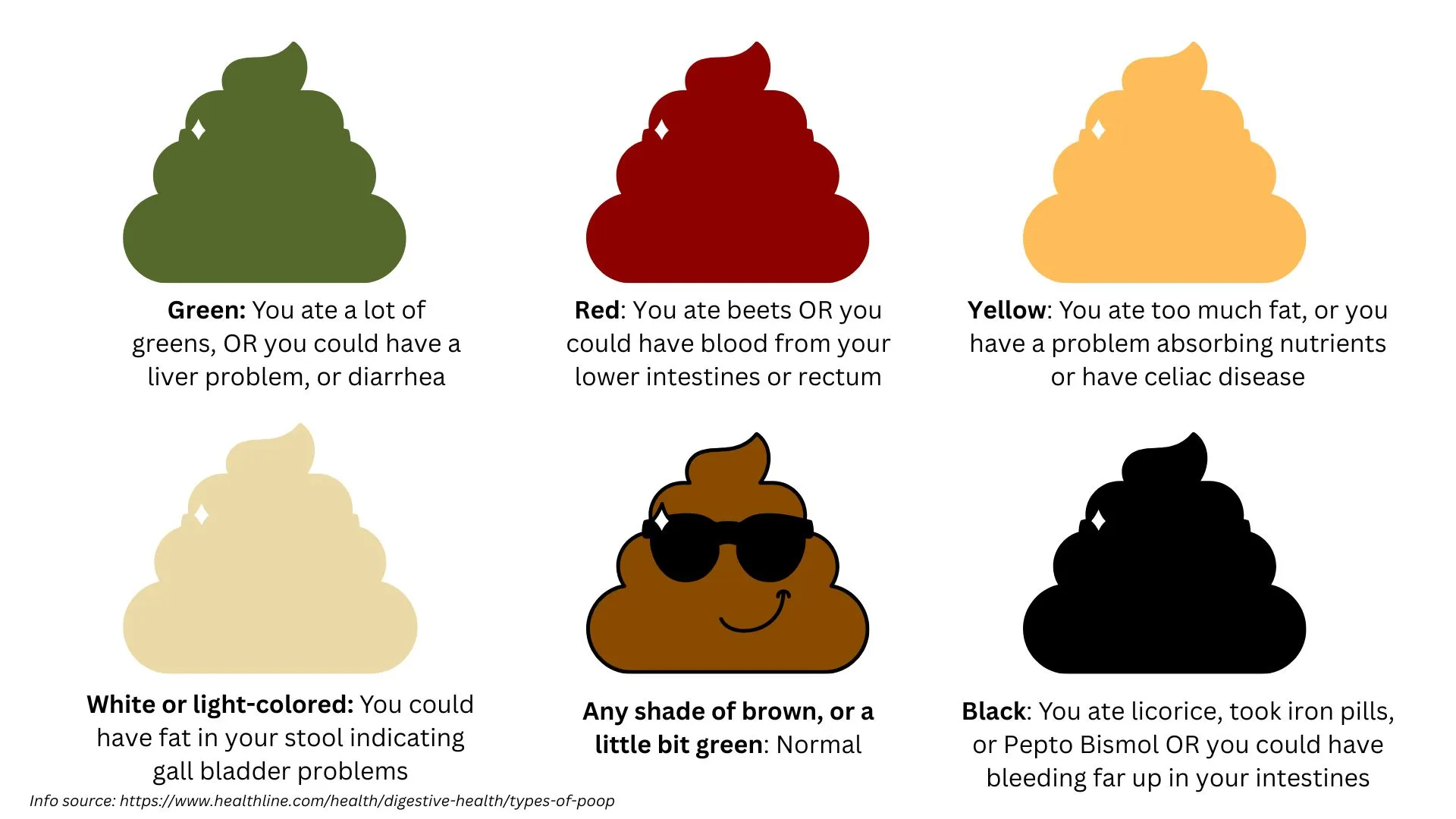
A single episode of bright yellow liquid stool is almost always harmless and clears up on its own. It’s one of the most common reasons people panic over the toilet bowl, and one of the least likely to mean something serious.
The color comes down to speed. Your stool gets its normal brown tint from bile, a yellow-green fluid your liver makes to digest fat. As waste travels through your intestines, bacteria break that bile down and it darkens to brown. When you have diarrhea, everything moves through too fast for that chemistry to finish — so the bile stays yellow and your stool comes out bright, watery, and unmistakably the wrong shade.
According to the Cleveland Clinic, most cases of acute diarrhea resolve within 1 to 3 days without any treatment beyond rest and fluids. A bad meal, a passing virus, or a stressful week can all trigger it, and your gut usually sorts itself out.
So when should you worry? Yellow on its own isn’t the red flag — it’s yellow plus certain warning signs: greasy or foul-smelling stool, fever, blood, weight loss, jaundice, or symptoms that drag on past a few days. The next section breaks down exactly where that line sits.
When to See a Doctor: Warning Signs You Shouldn’t Ignore
Most yellow diarrhea sorts itself out in a day or two, but a handful of symptoms turn it from “wait and see” into “make the call.” Scan the list below and see if any of these apply to you right now.
Call 911 or Go to the ER If You Have:
- Blood in your stool or black, tarry stool — this can signal bleeding higher up in your gut.
- Severe or rapidly worsening abdominal pain that doubles you over.
- A high fever above 102°F (39°C) that won’t come down.
- Signs of serious dehydration: dizziness when standing, a racing heartbeat, dark urine, or no urination for 8+ hours.
Call Your Doctor Within a Day or Two If You Notice:
- Diarrhea lasting more than 2–3 days in an adult (the threshold the American College of Gastroenterology uses for acute diarrhea that needs evaluation).
- Jaundice — yellowing of your skin or the whites of your eyes — which points to a liver or gallbladder issue.
- Greasy, foul-smelling stool that floats and is hard to flush, a hallmark of fat malabsorption.
- Unexplained weight loss alongside ongoing yellow stools.
Otherwise, self-monitor. If you feel fine apart from a few loose, yellow trips to the bathroom, you’re hydrating well, and there’s no fever or blood, it’s reasonable to wait it out for 2–3 days before worrying.
Why Does Stool Turn Bright Yellow in the First Place?
That vivid yellow color comes down to one thing your gut does behind the scenes: processing bile. Your liver produces bile—a greenish-yellow fluid that helps you digest fat—and dumps it into your small intestine. As that bile travels the length of your digestive tract, bacteria and enzymes break it down, gradually shifting its pigments from green to yellow to the familiar brown you expect to see. Normal brown stool is bile that completed the full journey.
So when stool comes out bright yellow, it usually means one of two things happened.
- It moved too fast. Diarrhea rushes everything through before bacteria can finish converting those pigments. Less processing time equals a yellower, more liquid result—which is exactly why watery yellow stool and a stomach bug so often go together.
- Fat isn’t being absorbed. When your body can’t break down fat properly, stool can turn pale, greasy, foul-smelling, and yellow—sometimes floating or leaving an oily film. This points toward malabsorption or a gallbladder-related issue rather than a passing one.
Knowing which mechanism is at play is the key to figuring out your situation. The sections below walk through the most common scenarios—recent diet, a fatty meal, life after gallbladder surgery, a parasite like Giardia, or a garden-variety stomach bug—so you can match your symptoms and decide your next move.
Recent Diet: Did Something You Ate Cause It?
Before you spiral into worst-case scenarios, retrace your last 24 hours of meals. Diet is the single most common reason stool turns vivid yellow, and it’s almost always harmless.
Several everyday foods pass their pigment straight through you. The usual suspects:
- Yellow or orange dyes in candy, sodas, frostings, and snack foods (look for Yellow 5 and Yellow 6 on labels)
- Beta-carotene-rich produce like carrots, sweet potatoes, and squash
- Turmeric, whether in curry, golden milk, or supplements
Then there’s the volume issue. A heavy, greasy, or fried meal can overwhelm your digestion, pushing food through too fast for fat to fully absorb. The result is loose, yellowish stool the next morning. According to Consumer Reports, a single fast-food meal can pack 1,000–1,500 calories with a hefty fat load, more than enough to throw your gut off rhythm temporarily.
Sudden diet changes matter too. A new cleanse, a recent jump in dairy, or hidden gluten can trigger yellow diarrhea if you have a lactose or gluten sensitivity.
How to know it’s just food: the color fades within a day or two once that food clears your system, and you feel otherwise fine—no fever, no cramping, no weight loss. If that describes you, there’s nothing to treat. Skip the trigger food, stay hydrated, and move on.
After Fatty or Greasy Food: Fat Malabsorption Explained
Sometimes the trigger isn’t the food’s pigment but its fat load. If last night’s fried-food binge made an unwelcome encore in the toilet this morning, your gut may be waving a flag. When your body can’t fully break down and absorb dietary fat, the excess passes straight through and shows up as steatorrhea—stool that’s pale yellow or clay-colored, greasy, foul-smelling, and so buoyant it floats and clings to the bowl.
Two systems usually drive this. Your pancreas releases enzymes (lipase) that digest fat, and your gallbladder and liver supply bile that emulsifies it. If either falls short—from low pancreatic enzyme output, blocked bile flow, or a malabsorption condition like celiac disease—fat escapes digestion and ends up in the bowl.
One Greasy Meal vs. a Pattern
A single greasy episode after a heavy, oily meal is almost always your gut reacting to a fat overload, not a disease. It clears within a day or two and doesn’t repeat. The picture changes when greasy yellow stool becomes a pattern—showing up across normal meals over several weeks.
Call a doctor if the greasy, floating stool persists beyond two to four weeks, or if it pairs with unexplained weight loss, belly pain, or yellowing of your skin or eyes. The American Gastroenterological Association notes that chronic steatorrhea warrants testing, since persistent fat malabsorption can quietly lead to nutrient deficiencies if left unchecked.
After Gallbladder Removal: Why Stool Can Turn Yellow
If you’ve had your gallbladder taken out, that bright yellow liquid in the bowl suddenly makes a lot more sense. Your gallbladder used to act like a storage tank, holding concentrated bile and squeezing it out on demand when a fatty meal arrived. Without it, your liver drips bile into the small intestine continuously, whether there’s food to digest or not. That steady trickle can push things through faster than your gut can fully process them, and bile that hasn’t been broken down keeps its natural yellow-green color all the way out.
This is so common it has a name: post-cholecystectomy diarrhea. According to Consumer Reports’ health coverage, roughly 1 in 10 people experience ongoing loose, yellow stools after the surgery. For most, the body adapts within a few weeks to a few months as the digestive system finds a new rhythm.
A few adjustments speed things along:
- Eat lower-fat meals so less unbuffered bile is needed
- Go smaller and more frequent rather than three big plates
- Limit greasy, fried, or very rich foods early on
If yellow diarrhea is still disrupting your life beyond two to three months, or you’re losing weight, it’s worth a follow-up. A doctor can suggest a bile-acid binder like cholestyramine, which often resolves the problem quickly.
Could It Be a Stomach Bug or a Parasite Like Giardia?
Here’s a useful clue: if your yellow diarrhea shows up with a crowd of other symptoms, an infection is probably to blame. Garden-variety food reactions tend to travel alone, but bugs bring friends.
Viral gastroenteritis — what most of us call a “stomach bug” — is the usual suspect. Think short-lived yellow, watery stool paired with nausea, cramps, and maybe a low-grade fever. According to the CDC, norovirus alone causes roughly 19–21 million illnesses in the US each year, and it typically clears on its own within one to three days.
Giardia behaves differently. This parasite causes persistent greasy, foul-smelling yellow diarrhea that drags on for a week or more, often with serious bloating and sulfur-smelling gas. The giveaway is exposure: recent travel, backcountry camping, swallowing lake or stream water, or untreated well water.
Bacterial infections (Salmonella, Campylobacter, E. coli) usually hit harder and faster — higher fever, intense cramping, and sometimes blood in the stool. These often trace back to undercooked meat, eggs, or contaminated produce.
When to get tested
See a doctor for a stool test if diarrhea lasts longer than a week, you have a fever above 102°F, you spot blood, or symptoms started after travel or sketchy water. Basic stool studies typically run $25–$200 depending on your insurance, and they’re how Giardia and bacterial culprits get pinned down — and properly treated.
What to Do Right Now: Self-Care and When to Escalate
Here’s your game plan for the next few days, starting the moment you close this tab. The single most important thing? Replace what you’re losing. Watery yellow stool flushes out fluids and electrolytes fast, so sip water, broth, or an oral rehydration solution like Pedialyte or a generic equivalent ($6–$15 at most pharmacies) throughout the day. Stick to bland, easy-to-digest foods — think the classic BRAT lineup (bananas, rice, applesauce, toast) — and give your gut a rest.
What to skip while you recover
- Greasy or fried foods — they make fatty, fast-moving stool worse
- Dairy — temporary lactose intolerance is common after a gut bug
- High-sugar drinks and caffeine — both can pull more water into your intestines
The simple wait-or-call rule
If you have no red flags, monitor for 2–3 days. Most cases quietly resolve in that window. Escalate right away if you spot warning signs: blood, high fever, signs of dehydration, jaundice, or symptoms dragging past a few days.
If you do call a doctor, the Cleveland Clinic recommends tracking specifics: how long it’s lasted, the exact color, and any companion symptoms like cramping, fever, or weight changes. That detail speeds up diagnosis. The reassuring bottom line: the vast majority of bright yellow liquid stool clears up on its own with rest and fluids.