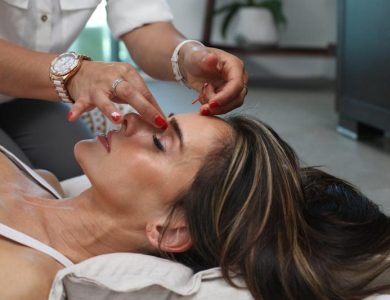
Under Eye Filler Treatment Cost: Complete US Price Guide
The average under eye filler treatment cost in the United States ranges from $400 to $2,000 per session, with most patients paying between $800 and $1,500 to treat both eyes [2][3][4][8]. Pricing depends on the type of filler used, the number of syringes required, your geographic location, and the expertise of the provider performing the injection. Because tear trough filler is considered an elective cosmetic procedure, it is not covered by health insurance, meaning the full cost is paid out of pocket.
This guide breaks down current pricing, what influences the final bill, how long results last, and when alternatives like surgery may offer better long-term value.
Average Under Eye Filler Cost in the US
The price of under eye filler is typically quoted per syringe, with most providers charging between $684 and $1,500 per syringe [2][3][8]. Since most patients need one to two syringes to address both under-eye areas, the typical total investment falls between $800 and $2,000 [2][3][8][10].
Some clinics report session averages as low as $400 to $1,200 [4], while premium practices in major metropolitan markets can charge up to $3,000 for a single treatment performed by a board-certified specialist [1]. A New York City-specific analysis cites $700 to $1,500 per syringe, with total treatment costs around $1,000 to $1,200 for both eyes [6].
Because the procedure is elective, no federal price regulation exists, and costs vary significantly across providers. The American Society of Plastic Surgeons categorizes hyaluronic acid fillers as a cosmetic expense, meaning patients are responsible for the entire cost without insurance reimbursement. Many practices offer financing through third-party services such as CareCredit, though interest rates and approval terms vary by lender.
What Affects the Total Price
Several variables determine where your final bill lands on the cost spectrum [2][5][8]:
- Geographic location: Patients in coastal cities like New York, Los Angeles, and Miami typically pay 20–40% more than those in the Midwest or South due to higher overhead and demand.
- Provider credentials: Board-certified dermatologists, oculoplastic surgeons, and plastic surgeons generally charge more than nurse injectors or general practitioners, but specialized training matters in the delicate tear trough area.
- Type of filler: Premium hyaluronic acid products like Restylane Eyelight, Belotero Balance, and Juvéderm Volbella have different price points. Thinner, more refined formulas designed for the under-eye area tend to cost more.
- Number of syringes: Most patients require one to two syringes per visit [2]. Severe volume loss or hollowing may require more product.
- Consultation and follow-up fees: Some clinics bundle these into the syringe price, while others charge separately.
Always request an itemized quote in writing before consenting to treatment.
How Long Results Last
Under eye filler results typically last between 6 and 18 months, depending on the product used and the patient’s individual metabolism [1][2][3]. Patients with faster metabolisms, more active lifestyles, or higher rates of facial movement tend to break down filler more quickly.
Initial results may only last about six months after the first treatment, but longevity often improves with subsequent sessions as tissue gradually responds to the product [7]. This means the per-year cost may decrease over time as treatments become less frequent.
To maintain results, most patients return for touch-ups every 9 to 12 months. Calculating the annualized cost is useful for budgeting: a $1,200 treatment lasting one year averages $100 per month, while results lasting 18 months bring that down to roughly $67 per month. Patients should also factor in the cost of complementary skincare, sun protection, and any reversal treatments if outcomes are unsatisfactory.
Types of Fillers Used Under the Eyes
The most common products used in the tear trough are hyaluronic acid (HA) fillers [2][3]. HA is a naturally occurring substance in the skin that attracts water and adds gentle volume. It is the preferred choice for under-eye treatment because it is reversible and produces softer, more natural-looking results than thicker fillers.
Popular HA products used in this area include:
- Restylane and Restylane-L: Long-standing options frequently used in the tear trough.
- Belotero Balance: Known for blending smoothly into thin under-eye skin.
- Juvéderm Volbella: A softer formula designed for delicate areas.
- Restylane Eyelight: The first HA filler FDA-approved specifically for the infraorbital hollow.
It is important to understand that while these fillers are FDA-approved for general facial use, their application in the tear trough has historically been considered off-label [2][3]. Off-label use is legal and common in medicine, but it does mean patients should choose injectors with demonstrated experience in this anatomically sensitive area.
Is Under Eye Filler Reversible?
One of the major advantages of HA-based under eye filler is reversibility. If a patient is unhappy with the results, experiences lumps or bumps, or develops complications such as the Tyndall effect (a bluish tint under the skin), the filler can be dissolved using an enzyme called hyaluronidase [3].
Hyaluronidase injections typically cost between $100 and $500 per session and can dissolve filler within 24 to 48 hours. This reversibility is a significant safety feature, especially for first-time patients or those treating a high-risk area like the under eye, where vascular complications, though rare, can occur.
Non-HA fillers such as calcium hydroxylapatite (Radiesse) or poly-L-lactic acid (Sculptra) are generally not recommended for the tear trough because they cannot be easily dissolved and carry a higher risk of visible nodules in this thin-skinned area. Patients considering under eye treatment should confirm with their provider that an HA-based product is being used and ask about the clinic’s protocol for managing complications.
When Surgery May Be a Better Investment
Filler is not the right solution for every patient. Individuals with significant skin laxity, prominent fat pads, or deep festoons may not achieve satisfactory results from injectables alone [2]. Repeated filler sessions in these cases can lead to stretched skin, puffiness, or a worsened appearance over time.
For these patients, surgical options such as lower blepharoplasty may provide better long-term value [2]. According to the American Society of Plastic Surgeons, lower eyelid surgery costs an average of $3,000 to $5,000 in surgeon’s fees, with total costs (including anesthesia and facility fees) often reaching $5,000 to $8,000. While the upfront price is higher, results typically last 10 or more years, making the per-year cost significantly lower than ongoing filler maintenance.
A qualified oculoplastic surgeon or facial plastic surgeon can evaluate whether you are a candidate for filler, surgery, or a combination approach. Skin quality, fat distribution, bone structure, and age all factor into the recommendation.
What Experts Recommend
Board-certified dermatologists and oculoplastic surgeons consistently emphasize that injector expertise matters more than price when it comes to under eye filler. The tear trough is one of the most technically challenging areas of the face due to its proximity to blood vessels, thin skin, and high visibility.
Experts typically advise patients to:
- Verify board certification through the American Board of Dermatology, American Board of Plastic Surgery, or American Board of Ophthalmology.
- Request before-and-after photos of the specific injector’s prior tear trough work.
- Choose HA-based fillers exclusively for this area due to reversibility.
- Avoid deeply discounted offers, Groupon-style promotions, or non-medical settings.
- Schedule a thorough consultation to confirm filler is the appropriate treatment for your anatomy.
Specialists also recommend starting conservatively. Less product is almost always better in the under-eye area, and additional filler can be added at a follow-up appointment if needed. Overcorrection is a common complaint and often requires hyaluronidase to resolve.
When to Consult a Professional
Because the under eye is a Y-M-Y-L (your money, your life) area involving vascular risk and aesthetic permanence, patients should consult a qualified medical professional before scheduling treatment. Seek an in-person evaluation if you have a history of cold sores, autoimmune conditions, bleeding disorders, or previous filler in the same area.
Avoid treatment in any setting that is not a licensed medical facility, and never accept injections from non-medical practitioners. The FDA has issued warnings about counterfeit filler products and unlicensed injectors, both of which pose serious health risks including blindness in rare cases of vascular occlusion.
If you experience sudden vision changes, severe pain, skin discoloration, or signs of infection after treatment, contact your provider immediately or seek emergency care. As of 2026, regulations on injectables vary by state, with some states requiring physician supervision for nurse injectors and others allowing more independent practice.
References
- Byrdie — Under-Eye Filler 101: The Cost, Benefits, and Results, According to Derms
- Tea Surgery — Under Eye Filler Cost: What to Expect
- South Lake OBGYN — Under Eye Filler Costs: A Comprehensive Price List
- Prime Med Spa — How Much Does Under Eye Filler Cost?
- South Lake OBGYN — Cost Breakdown: How Much Do Under Eye Dermal Fillers Really Cost?
- Dr. Kopelman — Under Eye Filler Cost, Benefits, and Treatment Insights
- All About Vision — Under Eye Filler: Cost, Safety and What to Expect
- South Lake OBGYN — Dermal Filler Under Eyes Cost
- ProMD Health — Belotero Filler Under Eyes Cost
- ProMD Health — Restylane Lyft Under Eyes Cost
Frequently Asked Questions
- How much does under eye filler cost on average?
- The average under eye filler treatment cost in the US ranges from $400 to $2,000 per session, with most patients paying between $800 and $1,500 to treat both eyes. Prices per syringe typically fall between $684 and $1,500, and most patients require one to two syringes. Premium providers in major cities like New York or Los Angeles may charge up to $3,000 per treatment. Costs vary based on geographic location, the injector’s credentials, and the type of hyaluronic acid filler used. Because this is an elective cosmetic procedure, insurance does not cover it, so patients pay out of pocket.
- How long does under eye filler last?
- Under eye filler typically lasts between 6 and 18 months, depending on the specific product used and your individual metabolism. Patients with faster metabolisms or more active lifestyles often see results fade sooner, while those with slower metabolic rates may retain results closer to the 18-month mark. Many patients notice that initial results last about six months after the first treatment, with longevity improving after subsequent sessions. Most providers recommend touch-up appointments every 9 to 12 months to maintain optimal appearance. Hyaluronic acid fillers gradually break down naturally, so results fade slowly rather than disappearing suddenly.
- Is under eye filler covered by insurance?
- No, under eye filler is not covered by health insurance in the United States because it is considered an elective cosmetic procedure rather than a medically necessary treatment. Patients are responsible for the entire cost out of pocket. Many cosmetic clinics offer financing options through third-party lenders such as CareCredit, which provides medical credit cards with promotional financing periods. Some practices also accept payment plans, HSA or FSA funds in limited circumstances, or offer package discounts for multiple treatments. Always confirm pricing, financing terms, and any additional fees in writing before scheduling treatment to avoid unexpected charges.
- Can under eye filler be dissolved if I don't like it?
- Yes, hyaluronic acid-based under eye fillers can be dissolved using an enzyme called hyaluronidase. This is one of the major safety advantages of choosing HA fillers for the tear trough area. If you experience lumps, the bluish Tyndall effect, overcorrection, or simply dislike your results, your provider can inject hyaluronidase to break down the product within 24 to 48 hours. Reversal treatments typically cost between $100 and $500 per session. Non-HA fillers such as Radiesse or Sculptra cannot be easily dissolved and are generally not recommended for the under-eye area for this reason.
- Why is under eye filler considered off-label?
- Most hyaluronic acid fillers used in the tear trough are FDA-approved for general facial cosmetic use, but their specific application under the eyes has historically been considered off-label. Off-label use means a medication or device is used in a way not explicitly listed on its FDA approval, which is legal and common in medical practice. Restylane Eyelight became the first HA filler FDA-approved specifically for the infraorbital hollow. Because under-eye injections require specialized technique, patients should choose injectors with proven experience in this delicate area regardless of which product is used.
- Who is not a good candidate for under eye filler?
- Patients with significant skin laxity, prominent fat pads, deep festoons, or severe under-eye bags often are not ideal candidates for filler alone. In these cases, repeated injections can stretch the skin or worsen puffiness over time. Surgical options such as lower blepharoplasty may provide better long-term results, typically lasting 10 or more years. Other patients who should avoid filler include those with active skin infections, certain autoimmune conditions, bleeding disorders, or known allergies to hyaluronic acid products. A consultation with a board-certified dermatologist, oculoplastic surgeon, or plastic surgeon can help determine the most appropriate treatment for your anatomy.
- How do I find a qualified under eye filler injector?
- Choose a board-certified dermatologist, plastic surgeon, or oculoplastic surgeon with documented experience in tear trough injections. Verify certification through the American Board of Dermatology, American Board of Plastic Surgery, or American Board of Ophthalmology. Request before-and-after photos of the specific injector’s prior under-eye work, not just generic clinic photos. Avoid heavily discounted Groupon-style offers, non-medical spas, and unlicensed providers. Schedule an in-person consultation to discuss your goals, medical history, and the specific product being recommended. Ask about the clinic’s protocol for managing complications, including access to hyaluronidase for reversal if needed.
- What is the difference between under eye filler and surgery cost?
- Under eye filler costs $400 to $2,000 per session and lasts 6 to 18 months, requiring repeat treatments to maintain results. Lower blepharoplasty surgery costs an average of $3,000 to $5,000 in surgeon’s fees, with total costs often reaching $5,000 to $8,000 when anesthesia and facility fees are included, according to data from the American Society of Plastic Surgeons. However, surgical results typically last 10 or more years. Over a decade, ongoing filler maintenance can exceed the cost of a one-time surgical procedure. Surgery is generally better suited for patients with significant skin laxity or prominent fat pads.