The Ultimate Guide to Smart Vehicle Leasing
Buying a brand-new car feels incredible until the finance manager reveals your final monthly payment. Vehicle prices continue to rise rapidly, making traditional ownership difficult for many everyday drivers. Fortunately, you have another excellent, highly accessible option. Vehicle leasing allows you to drive a fresh, reliable car without taking on a massive, long-term auto loan.
Essentially, leasing means you rent the vehicle for a specific time, usually two to three years. You only pay for the depreciation the car experiences while you drive it, rather than the entire purchase price. This approach appeals heavily to drivers who want modern safety features and a highly predictable monthly budget.
In this comprehensive guide, we will break down exactly how leasing works. You will discover the primary financial benefits, the crucial rules you must follow, and the best ways to secure a great deal. Let us dive into everything you need to know about vehicle leasing.
What Exactly Is Vehicle Leasing?
When you buy a car, you pay the total negotiated price, either with cash or through an auto loan. Leasing works entirely differently. The leasing company buys the car and lets you drive it for a set number of months. You agree to make a fixed monthly payment and return the vehicle at the end of the term.
Your monthly payment depends heavily on three main factors. First, the dealer calculates the capitalized cost, which represents the initial negotiated price of the car. Next, they estimate the residual value, which is exactly what the car will be worth when your lease ends. Finally, you pay a “money factor,” which acts just like the interest rate on a standard loan.
You only finance the difference between the starting price and the residual value. This fundamental difference makes leasing substantially cheaper on a month-to-month basis than buying the exact same car outright.
Leverage Potential Tax Deductions
If you own a business or work as an independent contractor, leasing provides incredible tax advantages. You can often deduct a significant portion of your monthly lease payments as a direct business expense. The IRS allows you to write off the percentage of the lease that correlates directly with your business mileage.
This deduction lowers your overall tax burden much more effectively than taking standard depreciation on a purchased vehicle. Tracking your miles and writing off the lease payment keeps more capital inside your growing business. Always consult with a certified tax professional to understand exactly how a vehicle lease impacts your specific financial situation.
The Biggest Benefits of Leasing a Car
Leasing provides several distinct advantages over traditional car buying. If you value consistent cash flow and modern conveniences, this path offers some incredible perks that traditional ownership simply cannot match.
Enjoy Much Lower Monthly Payments
The most obvious benefit of leasing is the immediate financial relief. Because you only pay for the car’s depreciation during your specific term, your monthly payments drop significantly. You can often drive a luxury sedan or a fully loaded SUV for the exact same monthly cost as buying a base-model compact car.
This lower payment frees up your monthly budget for other important expenses. You can redirect those savings into your retirement accounts, home improvements, or a well-deserved family vacation. Leasing helps you elevate your daily commute without straining your bank account.
Drive the Newest Models and Technology
Automotive technology moves at lightning speed. Every single year, manufacturers introduce better safety sensors, improved fuel efficiency, and smarter entertainment screens. Leasing puts you in a brand-new vehicle every two to three years.
You never have to worry about your car becoming hopelessly outdated. You always benefit from the latest engineering breakthroughs, such as adaptive cruise control, lane-keeping assistance, and wireless smartphone integration. Leasing ensures you and your family always travel with the highest modern safety standards protecting you.
Experience True Ownership Flexibility
Life changes rapidly, and your vehicle needs might change right along with it. You might need a fuel-efficient commuter car right now, but a spacious family SUV in three years. Leasing gives you the ultimate flexibility to swap vehicles as your lifestyle evolves.
You never have to deal with the overwhelming hassle of selling an old car. You completely avoid negotiating trade-in values with aggressive dealership appraisers or flaky private buyers. When your needs change, you simply hand the keys back and pick out a vehicle that fits your new reality.
Say Goodbye to Major Repair Bills
Most new vehicle leases last roughly 36 months. This timeline perfectly matches the manufacturer’s standard bumper-to-bumper warranty. If the engine acts up or the transmission fails, the dealership fixes the problem entirely for free.
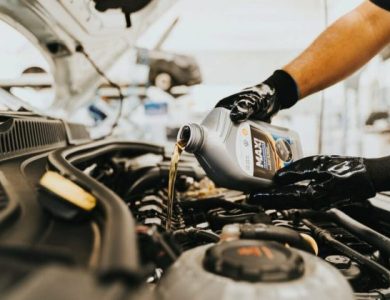
You only need to cover basic routine maintenance like oil changes, wiper blades, and tire rotations. Many modern luxury brands even include free scheduled maintenance for the first few years of the lease. This predictable ownership experience completely eliminates the paralyzing fear of sudden, devastating repair bills.
Key Considerations Before You Sign
While leasing offers amazing benefits, it does not fit every single driver perfectly. Leasing contracts contain very specific, legally binding rules. You must understand these policies clearly before you sign any paperwork to avoid expensive penalties later down the road.
Watch Your Mileage Limits Closely
Every standard lease includes a strict annual mileage limit. Most agreements allow between 10,000 and 15,000 miles per year. The leasing company uses this limit to mathematically guarantee the car’s residual value at the end of the term.
If you drive more than your contract allows, you will pay a steep penalty fee for every single extra mile. These fees typically range from 15 to 30 cents per mile, which adds up incredibly fast. If you have a massive daily commute or love taking long cross-country road trips, you must negotiate a high-mileage lease upfront. Paying for extra miles at the beginning of the contract always costs less than paying penalty fees at the end.
Understand Wear-and-Tear Policies
You must return a leased car in excellent condition. Leasing companies expect normal wear, like minor superficial scratches or small interior scuffs. However, they will charge you heavily for what they consider excessive damage.
Major dents, cracked windshields, torn upholstery, or bald tires will result in significant fines when you hand the keys back. If you frequently park in tight, dangerous city spaces, or if you have young children and messy pets, you must remain vigilant. Many drivers purchase extra lease protection plans to cover potential exterior and interior damage, granting them better peace of mind.
Know Your End-of-Lease Options
When your lease eventually ends, you have three distinct choices available to you. The easiest option involves simply dropping the car off at the dealership, paying your disposition fee, and walking away. Alternatively, you can trade the vehicle in and immediately sign a brand-new lease for a different car.
Finally, you have the option to buy the car outright. Your contract states the exact buyout price from the very beginning of the term. If you absolutely love the car, or if the vehicle is worth substantially more on the open market than the buyout price, purchasing it makes total financial sense.
Expert Tips for Finding the Best Lease Deals
Finding a fantastic lease requires a bit of research and strategic timing. Dealerships and manufacturers constantly adjust their pricing to hit aggressive monthly sales goals. You can easily use this corporate pressure to your advantage.
Always look for manufacturer-subsidized lease specials. Automakers frequently offer promotional deals featuring very low money factors and artificially high residual values. These factory offers almost always beat standard dealership rates. You can find these deals heavily advertised during major holidays or at the end of the month when sales teams desperately want to close deals.
Be very cautious about putting money down on a lease. Dealerships often advertise incredibly low monthly payments that require several thousand dollars due at signing. If your leased car gets totaled in an accident or stolen during the first few months, your insurance pays off the leasing company, but you lose your entire down payment. Instead, aim for a zero-down lease. You will pay slightly more each month, but your cash remains safely in your bank account.
Remember that you can still negotiate the starting price of the car. Do not just blindly accept the window sticker price. Negotiate the capitalized cost just as aggressively as if you were buying the car with cold, hard cash. A lower starting price directly translates to a lower monthly lease payment.
Take Control of Your Driving Experience
Leasing a vehicle offers a brilliant pathway to driving a reliable, technologically advanced car without destroying your monthly budget. It entirely removes the stress of long-term depreciation and protects you from massive, unexpected repair bills. As long as you respect the mileage limits and take good care of the vehicle, the leasing process remains remarkably smooth and highly rewarding.
Take the time to assess your personal driving habits and your long-term financial goals. If you love driving new cars and want highly predictable monthly expenses, leasing represents an incredibly smart financial choice. Start researching manufacturer specials in your local area today, and get ready to enjoy the thrill of your next new ride.
Advertisement